
−18%
buffet rice refills (illustrative)
Prepare better
Adjust batch sizes, production timing, buffet refill quantities and portions.
Crumbz is a mobile food-waste tracking and action system. Staff record discarded food using phones already in the kitchen. Managers see what was wasted, where, why and what should change.
Designed for modern commercial kitchens
Inventory tells you what was bought.
Crumbz shows what was physically discarded.
Crumbz sits between what was purchased and what left the kitchen — recording the physical events that a P&L can only summarise.
Prep loss, buffet returns, spoilage, expiry, plate waste and unsold food are frequently mixed together.
Cold rooms, preparation stations, bakery, buffet, dispatch and plate-return areas create different forms of loss.
Overproduction, incorrect batch sizes, poor refill timing, weak ordering cycles, spoilage and portion problems require different actions.

Record trim loss, batch errors and over-preparation where production begins.
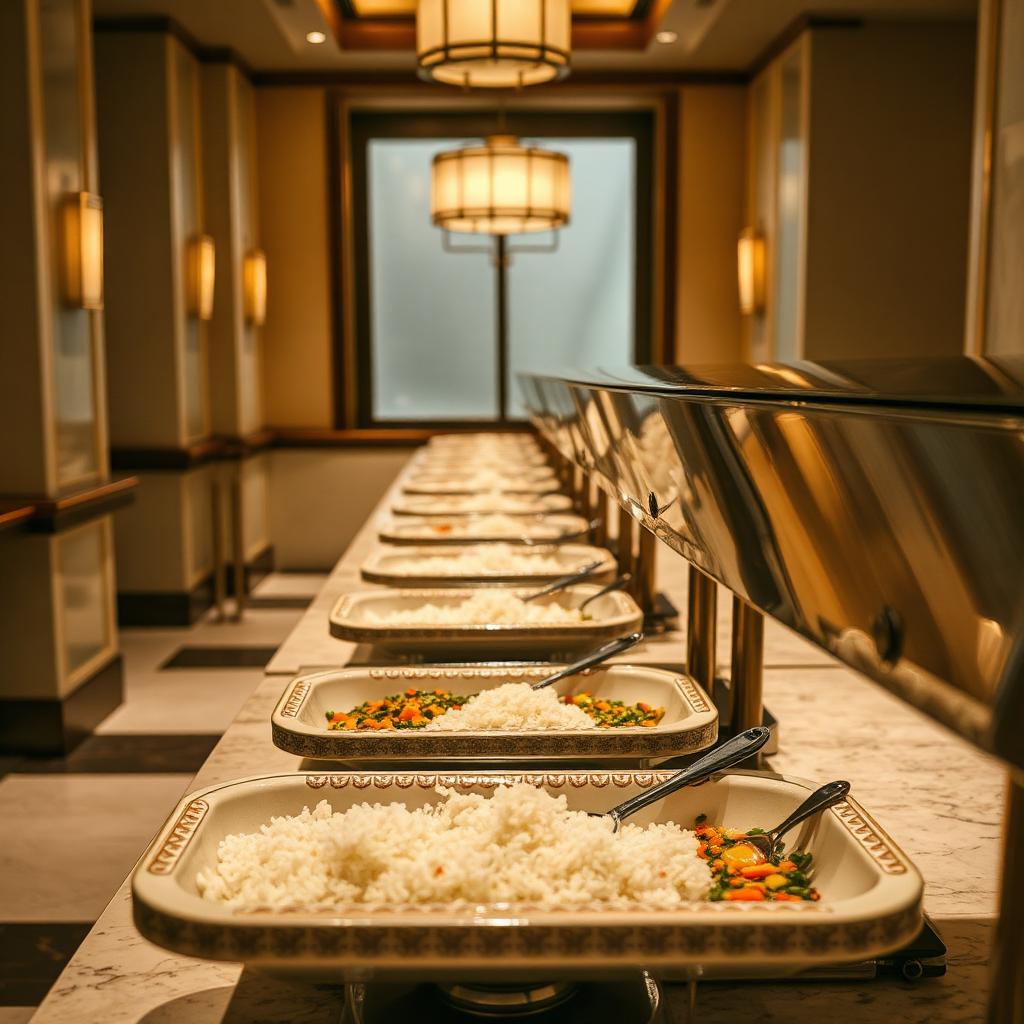
See which dishes repeatedly return after service and whether refill timing is creating loss.
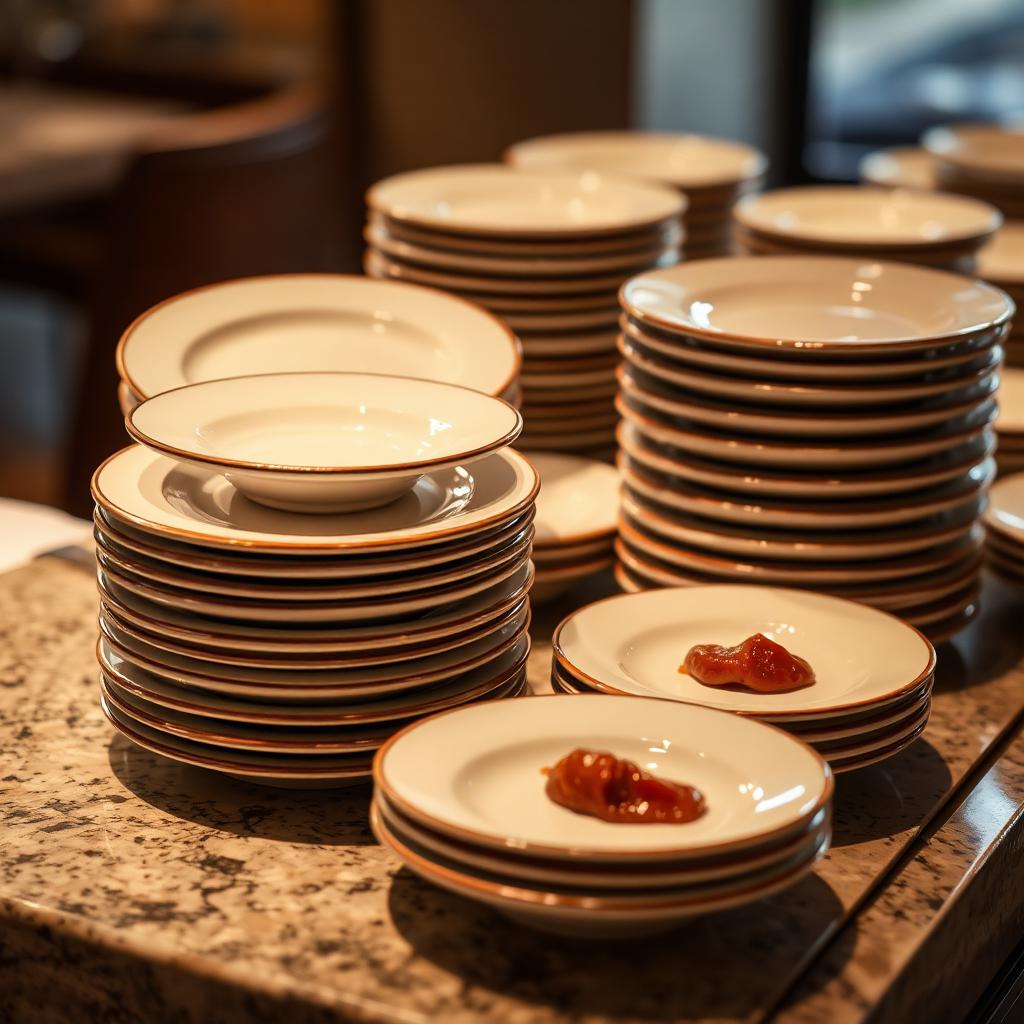
Identify repeated leftovers that may point to portion, recipe, quality or menu issues.
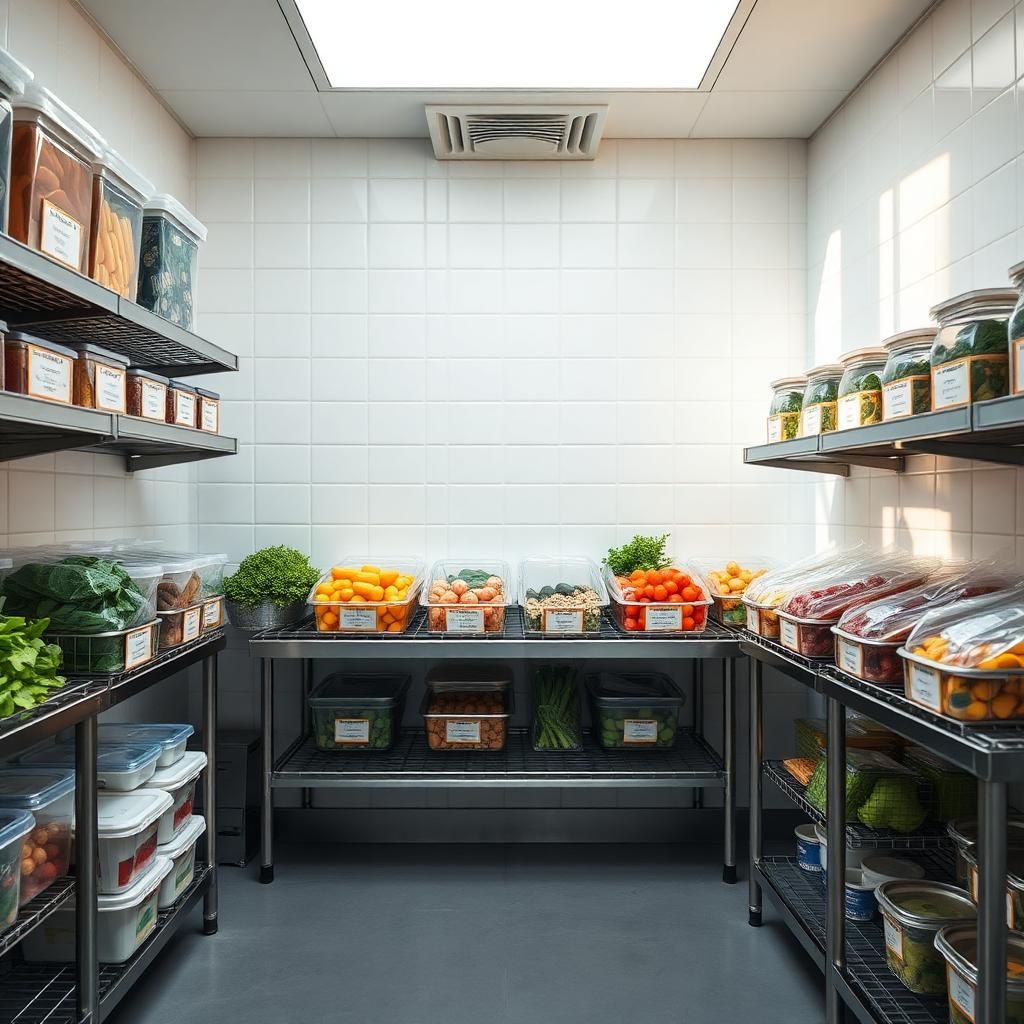
Connect repeated stock loss to ordering frequency, shelf life and storage discipline.
Scroll horizontally to move through the kitchen →
A simple capture process turns discarded food into management evidence without interrupting kitchen operations.
Open the QR code at the relevant waste station.
Crumbz identifies food-waste patterns. It does not rank individual staff.
Reports focus on food item, station, service period and reason.
Operational reports are intended for authorised management roles.
Food images are used to understand waste events, not to evaluate employee performance.
Staff confirm captured information before it becomes part of the operational dataset.
Estimated waste cost by food item, waste station, service period, reason and day.
Identify high-frequency and high-value waste management should prioritise.
Compare waste across buffet return, preparation, plate return, cold storage, bakery and dispatch.
Separate overproduction, unsold food, plate return, expiry, spoilage, production error and quality issue.
Influenced by capture coverage, image quality, confirmation consistency, missing reasons, corrections and station coverage.
Turn findings into one specific action, an assigned owner, a review period and before-and-after evidence.
The complete report is created from your own kitchen data during the 36-day experience.
Register and experience CrumbzThirty-six days provides enough time to establish the capture habit, observe repeated weekly patterns and test at least one practical operating action.
Confirm one site, identify the relevant waste points and position the QR stations.
Staff use the short scan, photograph and confirm process during normal operations.
Management sees the first usable items, stations and reasons behind repeated waste.
Review estimated cost, Data Confidence, primary waste drivers and the next action to test.
Adjust batch sizes, production timing, buffet refill quantities and portions.
Review ordering frequency, shelf life, spoilage and expiry.
Use plate-return and unsold-food patterns to review portions, recipes and menu items.
Compare demand patterns, repeated effort and estimated waste cost.
Create your admin account, start a free trial, and open the Crumbz admin panel — no payment required to begin.
Begin with one kitchen.
